
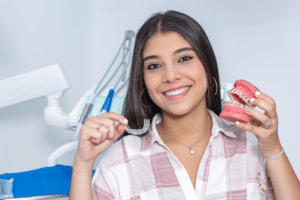
At Honey Orthodontics, Dr. Oana Honey helps children, teens, and adults in Gurnee, IL and surrounding communities prepare for braces. As a board-certified orthodontist, she checks each patient’s teeth, bite, oral health, and goals before creating a personal treatment plan.
What Should You Expect During the First Few Days?
Your teeth may feel sore after your braces are placed. Most patients describe pressure or tenderness, not sharp pain. This feeling often improves within a few days as your mouth adjusts.
Soft foods can make meals easier during this time. Good choices include yogurt, soup, eggs, pasta, oatmeal, smoothies, and mashed potatoes. Having these foods ready before your visit can make the first few days less stressful.
Brackets may also rub against your lips or cheeks. Orthodontic wax can cover a rough bracket or wire. A warm saltwater rinse may also calm a sore spot.
Call the office if a wire keeps poking, a bracket feels loose, or the sore area does not improve. Early advice can keep a small problem from becoming more painful.
How Will Braces Change the Way You Eat?
You can still enjoy many foods with braces, but some foods need to be avoided or changed. Hard, sticky, and very crunchy foods can loosen brackets or bend wires.
Apples, carrots, sandwiches, and pizza crust may be easier to eat when cut into small pieces. Cook firm vegetables until they are softer. Remove meat from the bone before eating it.
The American Association of Orthodontists also offers guidance on braces-friendly foods and ways to protect your appliances.
Habits can matter as much as food. Chewing ice, biting your nails, chewing pens, or opening packages with your teeth can damage braces. Avoiding these habits lowers the chance of broken brackets and extra repair visits.
If a bracket comes loose, call the office. The Honey Orthodontics team can tell you if it needs quick care or if it can wait until your next visit.
What Supplies Should You Have Before Getting Braces?
A small braces kit can make daily care easier at school, work, or while traveling. Useful items include orthodontic wax, a travel toothbrush, fluoride toothpaste, flossing tools, and any elastics you were given.
A floss threader, orthodontic flosser, interdental brush, and small mirror can help you clean around wires and brackets. A reusable water bottle also lets you rinse after meals when you cannot brush right away.
Keep the kit in a backpack, purse, locker, or desk drawer. Replace items as they run out, especially wax, flossing tools, and spare elastics.
You do not need every braces product on the market. Start with the tools your orthodontist suggests. Add other items only if they make your routine easier.
Why Does Cleaning Take More Time With Braces?
Brackets and wires create more places for food and plaque to collect. A quick brush across the front of your teeth may miss buildup near the gums, under the wire, or around the brackets.
Brush above and below each bracket. Clean the chewing and inside surfaces of every tooth. Give extra attention to the back teeth, where food can be harder to see.
Good cleaning helps lower the risk of cavities, sore gums, and white marks around brackets. It also helps keep your mouth healthy while your teeth move.
Flossing takes more time because the wire blocks the usual path between teeth. A floss threader, orthodontic flosser, or interdental brush can make the job easier.
A water flosser can remove trapped food, but it may not replace every step your orthodontist recommends. Use the tools that help you clean well each day.
Keep seeing your general dentist for cleanings and routine care. Dental visits focus on your teeth and gums. Orthodontic visits focus on tooth movement, braces, and bite changes.
How Much Does Patient Cooperation Affect Treatment?
Your daily choices can affect how well braces work. Following instructions about food, cleaning, elastics, and visits supports planned tooth movement and helps prevent delays.
Not every patient needs rubber bands. When elastics are prescribed, they help guide how the upper and lower teeth fit together. Wearing them less than directed may slow bite correction.
Follow the instructions for where to place elastics, how long to wear them, and when to replace them. Keep extras with you so a lost or broken band does not stop your routine.
Regular visits are also important. These appointments let the orthodontist check progress, inspect the braces, and make planned changes.
If you need to move an appointment, call the office soon. Rebooking quickly helps avoid a long gap between visits.
What Should You Know About the Treatment Timeline?
Braces timelines are different for each patient. Tooth movement, bite needs, and the body’s response all affect how long care takes. Your expected finish date is a guide, not a promise.
Some teeth may move faster than others. Your plan may also change as your teeth line up and your bite improves.
Good care can prevent some delays, but it cannot control every part of the process. Your orthodontist must give the teeth and nearby tissues enough time to move safely.
Retainers are also part of orthodontic care. Teeth can shift after braces come off, so wearing your retainer on schedule helps hold the new positions.
Keep your retainer in its case when you are not wearing it. This lowers the chance of losing it, breaking it, or throwing it away by mistake.
How Can You Prepare to Start Braces With Confidence?
You do not need to know every detail before your braces are placed. A personal plan can show you what to expect, which supplies to keep nearby, and which habits will matter most.
Ask about food, brushing, flossing, elastics, sports, visits, and retainers before care begins. Clear answers can help you build a simple routine from the start.
Dr. Honey can check your teeth and bite, explain whether braces fit your needs, and review your daily care and expected timeline. Contact Honey Orthodontics in Gurnee, IL to schedule a consultation and learn about your options.